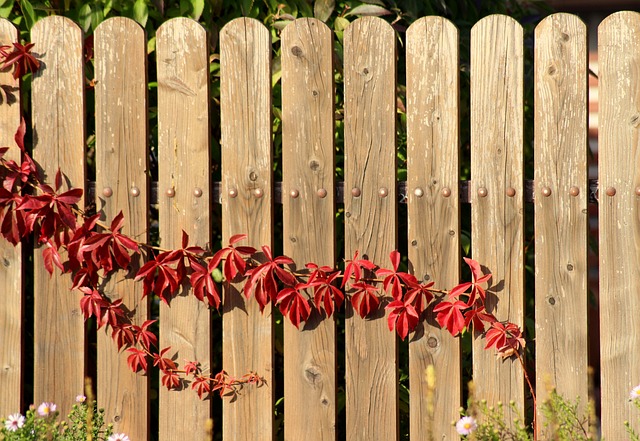
As New Bedford, Massachusetts residents survey their properties post-winter, a robust fence often stands as a silent sentinel to the season’s fury. This article delineates a comprehensive guide for assessing winter damage, followed by seasonal maintenance recommendations tailored for New Bedford fences. From spring cleaning strategies to summer upkeep actions that extend your fence’s lifespan, and autumn preparations that shield it from winter’s wrath, our guide ensures your fence endures the region’s varied climates with resilience and grace. Dive into these tailored approaches to maintain your fence’s integrity and beauty throughout the year.
- Assessing Winter Damage to Fences in New Bedford, MA
- Spring Cleaning for Your Fence: Tips and Techniques
- Summer Maintenance Actions to Prolong Fence Lifespan
- Autumn Preparations: Protecting Your Fence for Winter
Assessing Winter Damage to Fences in New Bedford, MA
Residents of New Bedford, Massachusetts, should conduct thorough assessments of their fencing structures following the winter season to ensure their durability and longevity. The harsh winter elements, including heavy snowfall, freezing temperatures, and potential ice build-up, can exert significant stress on fence materials, leading to warping, splitting, or even structural collapse. Homeowners should begin by visually inspecting the entire length of the fence for any signs of damage such as broken pickets, loosened posts, or visible cracks. Particular attention should be paid to areas where water may have accumulated and frozen, which can cause the most strain on the fence’s integrity.
In addition to visual inspections, it is advisable to check for any rust or corrosion on metal components, as the salt used on roads can accelerate deterioration. Wooden fences should be scrutinized for signs of rot or fungal growth, which winter moisture can promote. Any damage discovered during this assessment should be addressed promptly to prevent further deterioration or potential safety hazards. Repairs may range from simple tightening of loose nails or brackets to more extensive fixes like replacing rotted wood planks or reinforcing weakened posts. Regular maintenance, including clearing snow and ice from the fence during winter, can mitigate the extent of damage and preserve the appearance and functionality of the fence year-round.
Spring Cleaning for Your Fence: Tips and Techniques
As spring unfolds in New Bedford, Massachusetts, homeowners are reminded to attend to their fences, which have braved the elements throughout the colder months. This season presents an opportune time for a thorough cleaning and inspection of your fence to ensure its longevity and appearance. Start by removing any debris such as leaves, twigs, or nests that may have accumulated on or around the fence. Use a soft-bristled brush to gently clear off dirt and algae from the fence’s surface, taking care not to damage any paint or stain. For wooden fences, consider applying a fresh coat of wood preservative or stain to protect against moisture and pests. If your fence is made of vinyl or metal, clean with a mild detergent mixed in warm water, then rinse thoroughly to prevent spotting. Inspect the fence for any signs of wear or damage, particularly at the base where ground contact can cause rot or shifting. Addressing these issues promptly will prevent more extensive repairs later on. Additionally, this is an excellent time to repaint or reseal any wooden components to safeguard against the elements, ensuring your fence stands strong and looking its best throughout the year. Regular maintenance now will pay dividends in the longevity and aesthetic appeal of your fence for seasons to come.
Summer Maintenance Actions to Prolong Fence Lifespan
When the warm weather arrives in New Bedford, Massachusetts, it’s crucial to attend to your fence’s maintenance needs to ensure its longevity and upkeep. Summer presents unique challenges such as intense sunlight, higher humidity, and more frequent storms, which can all contribute to wear and tear on your fence. To prolong the lifespan of your fence during these months, begin by inspecting it for any visible damage from winter snow and ice, such as loosened posts or broken slats. Use a screwdriver to test the tightness of the fence’s fastenings, and if anything feels loose, tighten them accordingly.
Gently clean your fence with a soft-bristled brush and a mixture of warm water and a mild detergent to remove any accumulated dirt or grime that may have settled over the colder months. Rinse thoroughly with a garden hose to wash away all soap residue, ensuring no chemical buildup remains. After cleaning, consider applying a protective stain or sealant, especially if your fence is made of wood. This step will protect the wood from the damaging UV rays of the sun and help prevent moisture from penetrating and causing rot or mold growth. Regularly inspecting and addressing any issues promptly during the summer months can significantly extend the life of your fence and maintain its aesthetic appeal for years to come.
Autumn Preparations: Protecting Your Fence for Winter
As autumn leaves begin to blanket New Bedford, Massachusetts in their vibrant hues, property owners should turn their attention to seasonal fence maintenance. The approaching winter brings with it a unique set of challenges that can impact the longevity and structural integrity of fencing. To prepare your fence for the cold months ahead, start by clearing any debris that may have accumulated during the fall season. Leaves, twigs, and acorns can trap moisture against the fence, leading to mold growth or wood rot. Regularly inspect your fence for any signs of wear and tear, particularly at the base and joints, as these areas are most susceptible to damage from freeze-thaw cycles.
Protective measures should also be taken to safeguard metal components such as hinges and gates from corrosion. Applying a coat of rust-inhibitive paint or oil can prevent deterioration throughout the winter months. Additionally, consider securing any loose panels or rails to prevent them from shifting or breaking under the weight of snow and ice. It’s advisable to remove any ice or snow that accumulates on top of the fence to avoid additional strain on its structure. By taking these proactive steps, you can ensure your fence withstands winter’s test and remains a sturdy boundary for your New Bedford property when spring arrives. Regular maintenance during this period not only extends the life of your fence but also contributes to the overall aesthetic and safety of your outdoor space.